
How Keto Can Be Bad For You
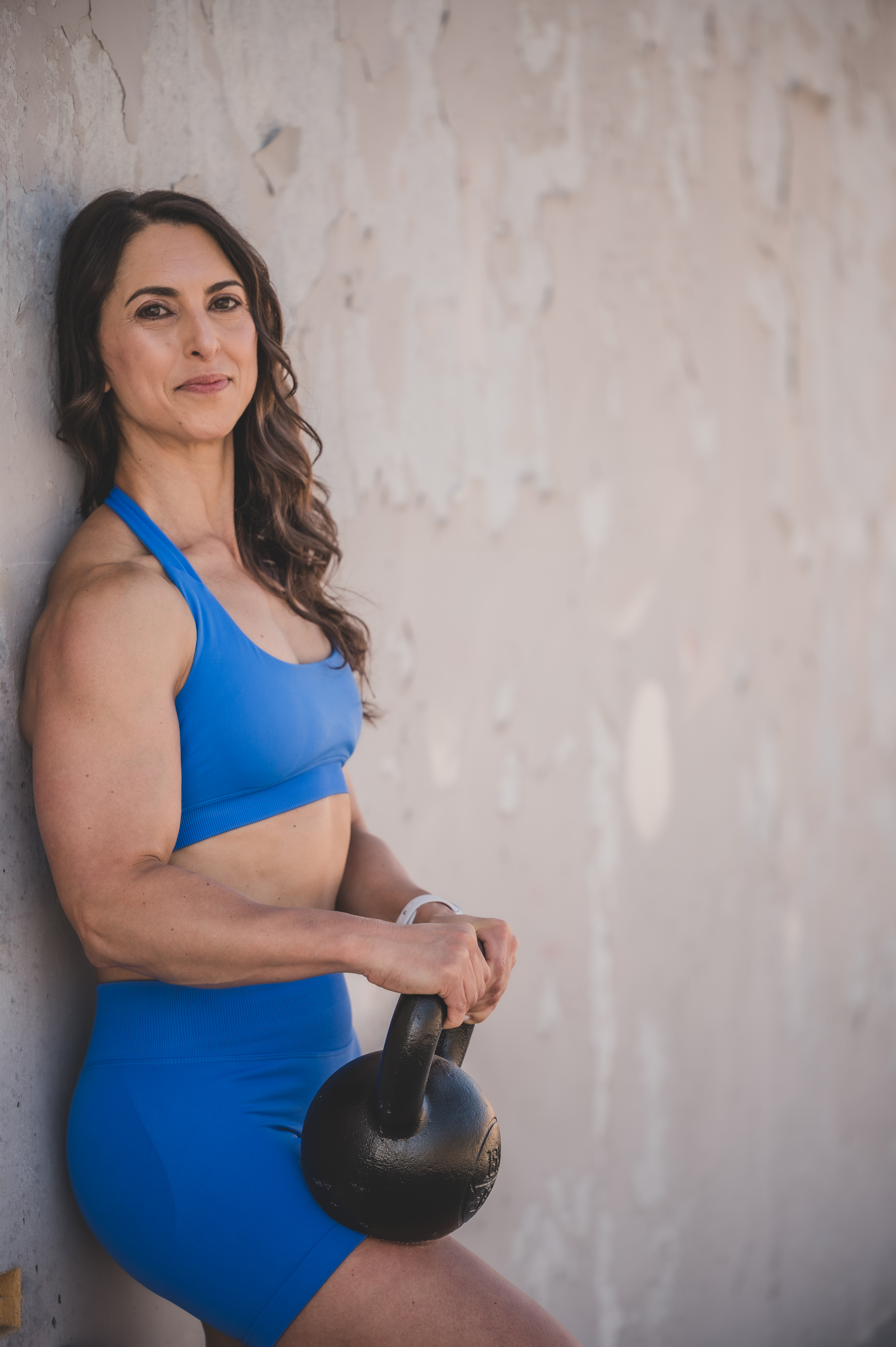
In 1999, as a recent college grad (GWU 1997, Psychology Major, French Language & Literature Minor), one of my first jobs out of college was as a Contract Specialist for the United States Mint.
While I worked for the US Mint, I remember that the Atkins diet became extremely popular.
Many of my Mint co-workers, who were foodies and went out to lunch every day, were thrilled when they learned about the Atkins diet because they could eat steak every day and lose weight!
Fortunately the Atkins diet has since evolved into variations of the Ketogenic diet from Clean Keto (lean meats+healthy fats vs. only greasy high fat steaks), and Modified Keto (higher protein).
However, I’ve found that Keto is still taken to the extreme, and after an extended period of time of excessive carbohydrate restriction, it has been shown to adversely impact thyroid function, particularly in women.
What is “Keto”?
The Ketogenic diet, otherwise known as “Keto”, is a high fat, low carb, low to moderate protein diet.
The standard Keto macro ratio is 70% fat, 20% protein, 10% carbs.
The Modified Keto macro ratio typically is 55% fat, 30% protein, 15% carbs.
When you follow Keto, eventually your body produces Ketone Bodies (or Ketones), your body goes into Ketosis, and your body uses the Ketones as energy instead of glucose.
When can following Keto help and how should it be used?
The Keto diet can be used as a temporary reset diet, (like the Whole30 or the FODMAP diet), to lower insulin and jumpstart weight loss.
The Keto diet is not meant to be a long term diet, and for most people should only be followed for 30-90 days.
Along with circadian-based intermittent fasting for 12–16 hours, it can also be incorporated into an overall balanced macro diet, 2 times a week, to promote autophagy (your body’s ability to get rid of dysfunctional cells), cellular rejuvenation, anti-aging, and increase energy.
Research has shown that, when applied correctly without extremes, both intermittent fasting and the Ketogenic diet activate the longevity gene (SIRT1 ) and turn off the anti-longevity, cancer, and Alzheimer’s gene (mTOR).
For example: 5 out of 7 days a week you would follow a balanced macro diet of 35% protein, 35% carbs, 30% fat, and 2 out of 7 days you would follow a ketogenic diet of 70% fat, 20% protein, 10% carbs.
You could also add circadian-based intermittent fasting (around your sleep cycle) 2 times per week, for 12–16 hours.
Following a Ketogenic diet has also been shown to prevent seizures in epilepsy patients, help with bipolar disorder, anxiety, and other neurological and psychological disorders.
When can following Keto be harmful?
Keto goes wrong when it’s taken to the extreme and used as a forever diet.
In addition, when it’s combined with extended caloric restriction, excessive cardio and intermittent fasting, it can wreak havoc on thyroid function.
Insulin is involved in the Thyroid hormone conversion of T4 to T3, and reverse T3.
When you follow a Keto diet, it not only lowers insulin, but it suppresses insulin.
This can impact the thyroid because if you follow a low protein, calorie restricted Keto diet, it can lead to a suppression of the Thyroid, which can end up doing more harm than good.
Based upon my experience, most women following Keto are trying to lose weight, so they are very likely to be in a caloric restriction, plus doing excessive cardio (e.g. something like Peloton or Orange Theory in Zones 3 or 4 for 40 minutes or more 3-5 times per week), and possibly incorporating intermittent fasting to the extreme.
As someone who has lived with low thyroid and Hashimoto’s Thyroiditis since I was officially diagnosed when I was 41, I have done a lot of research on diet and nutrition (in addition to types of exercise) to support thyroid health.
What I have found is that, occasionally, a short term bout of Keto (like 30-days) can help some women with Hashimoto’s regulate their antibodies, but for the majority of women with Hashimoto’s, Keto worsens thyroid function.
Other ways that Keto goes wrong is when people overeat calories and gain weight. This can be very easy to do, because fat has 9 calories per gram versus protein and carbohydrates that have 4 calories per gram.
So you will see people following the Ketogenic diet indulging in rich, fat bomb, culinary exploits that cause them to overdo it on the calories and gain weight while following Keto.
Or eating a half of a Costco-size container of raw cashews. I don’t know about you, but I can do a lot of damage with some cashews!
While following Keto, since you’re not eating enough protein, Keto can also cause you to lose muscle and strength.
Also, since you’re not eating a lot of fiber (because vegetables are carbohydrates), it can impact your microbiome’s ability to digest fiber.
Of course, at the end of the day, diet is personal and what works for one individual may not work for another.
However, personally, I am not a fan of Keto, not for myself and not for my clients.
Over 40, and especially at my age 48, muscle, strength, and the health of my thyroid and microbiome, are far too important to sacrifice.
I believe that over 40, especially if you are strength training, you should follow a high protein diet, with a 1:1 ratio of protein to carbs, and then a moderate amount of fat 30-45% depending on whether you are following a cut for weight/fat loss or maintenance.
In addition, you should:
- Consume 25 grams of fiber per day.
- Strength train 4-5 days per week.
- Stick to Zone 2 cardio for your cardio, so that you can reap the benefits of cardiovascular training without the excess stress of high intensity cardio (e.g. Peloton or Orange Theory 3-5 days/week) on your body, which wreaks havoc on your cortisol and thyroid health.
- Engage in circadian-based intermittent fasting around your sleep cycle, a minimum of 2 days per week for 12-16 hours. I’ve found that 12-14 (sometimes 15) hours works for me.
- Use Red Light Therapy, Infrared Sauna, and Cold Plunge to activate the longevity gene and promote anti-aging.
If you need help with your nutrition, and/or you’re looking to reboot your nutrition and exercise routine to feel great, build the body of your dreams, and kick-ass at midlife, I have two 1:1 Fitness Coaching spots available.


 Goddess Fit
You must be logged in to post a comment.